INTERSECTIONALITY AND INTERCONNECTION WITH THE INDIGENOUS FEMALE PROTECTORS OF THE SUMATRA RAINFOREST
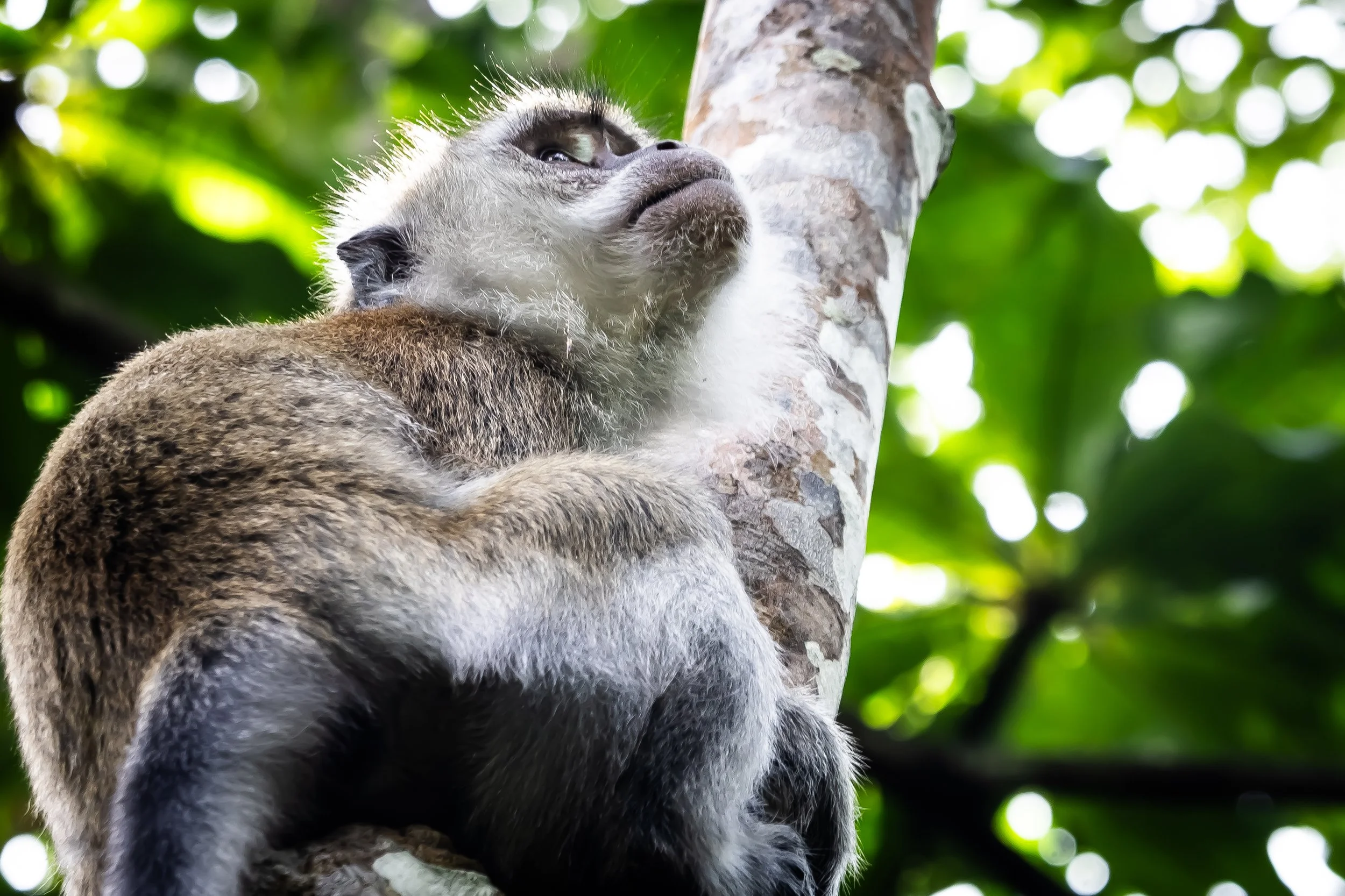
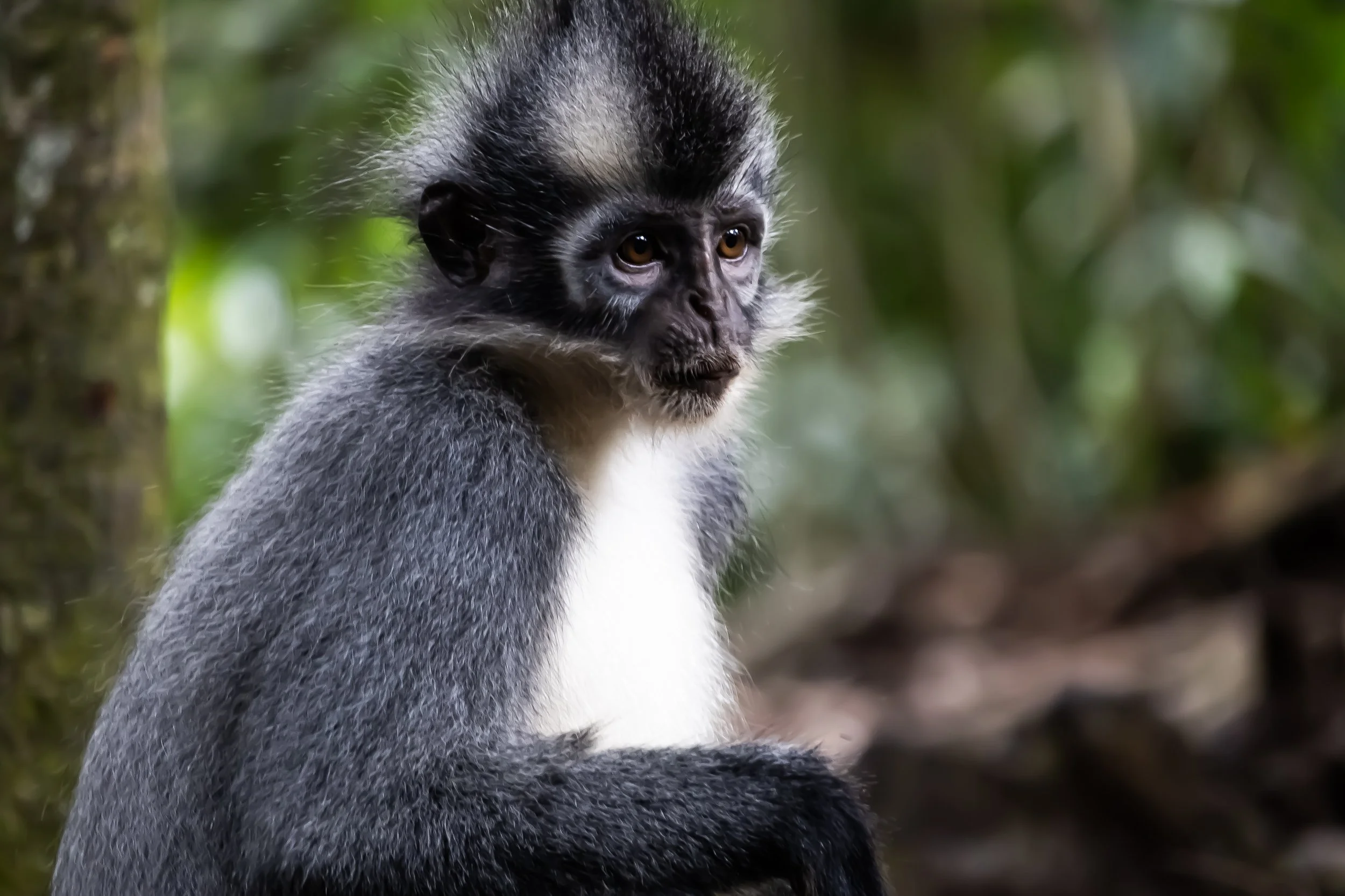
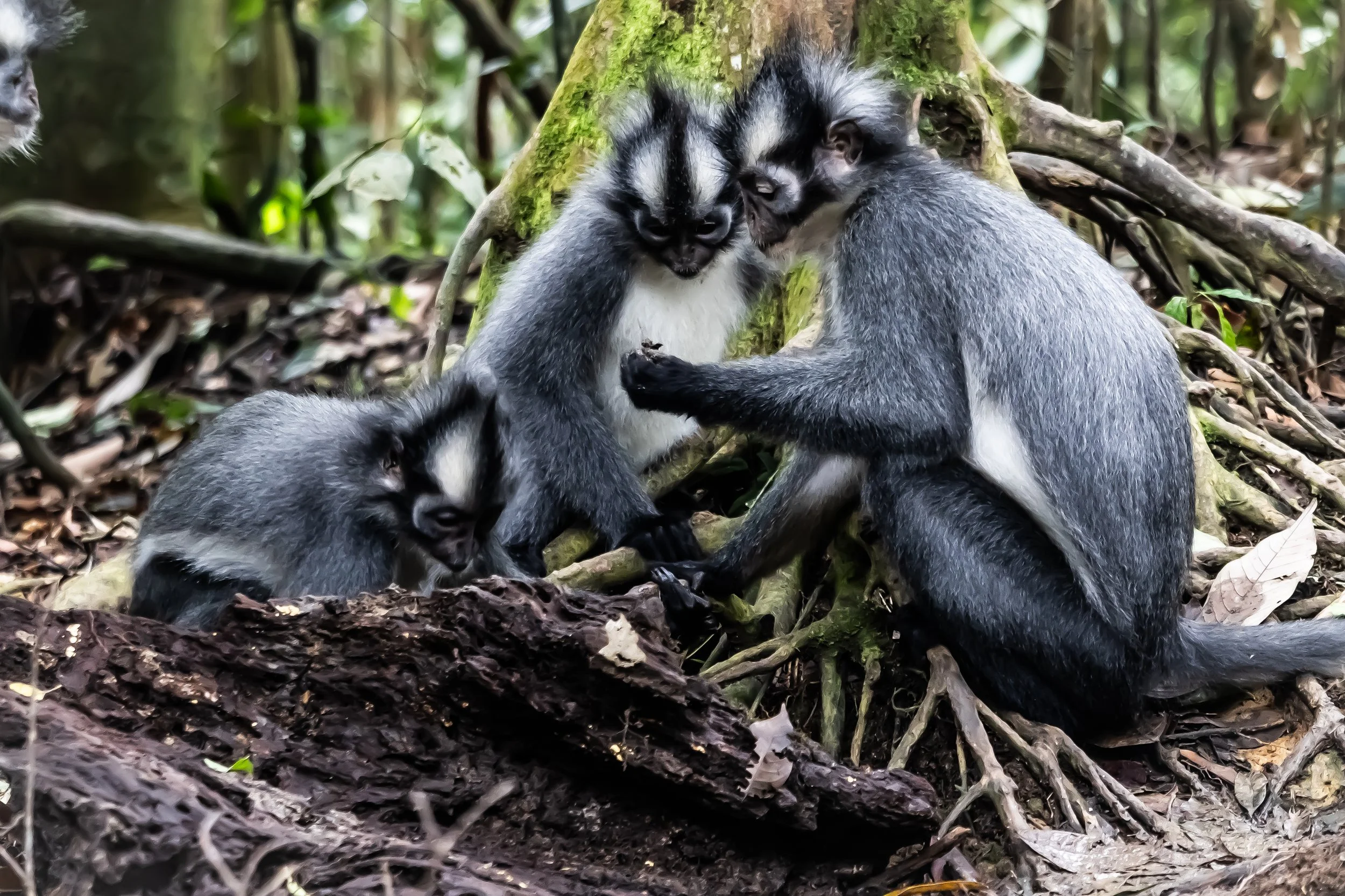
“Mawas in Batak language means reflection. When we see one, it’s a sign that there is something we need to reflect on”, says Nayla Azmi, a Batak Toba and Mandailing conservationist from North Sumatra, Indonesia. The “Mawas” she refers to is the orangutan which famously resides, alongside many other species, in the Leuser ecosystem. The Leuser ecosystem encompasses 2.7 million hectares of rainforest across North Sumatra and Aceh provinces and is referred to as the “last place on earth” and the only place where orangutans, elephants, rhinoceroses and tigers still co-exist.
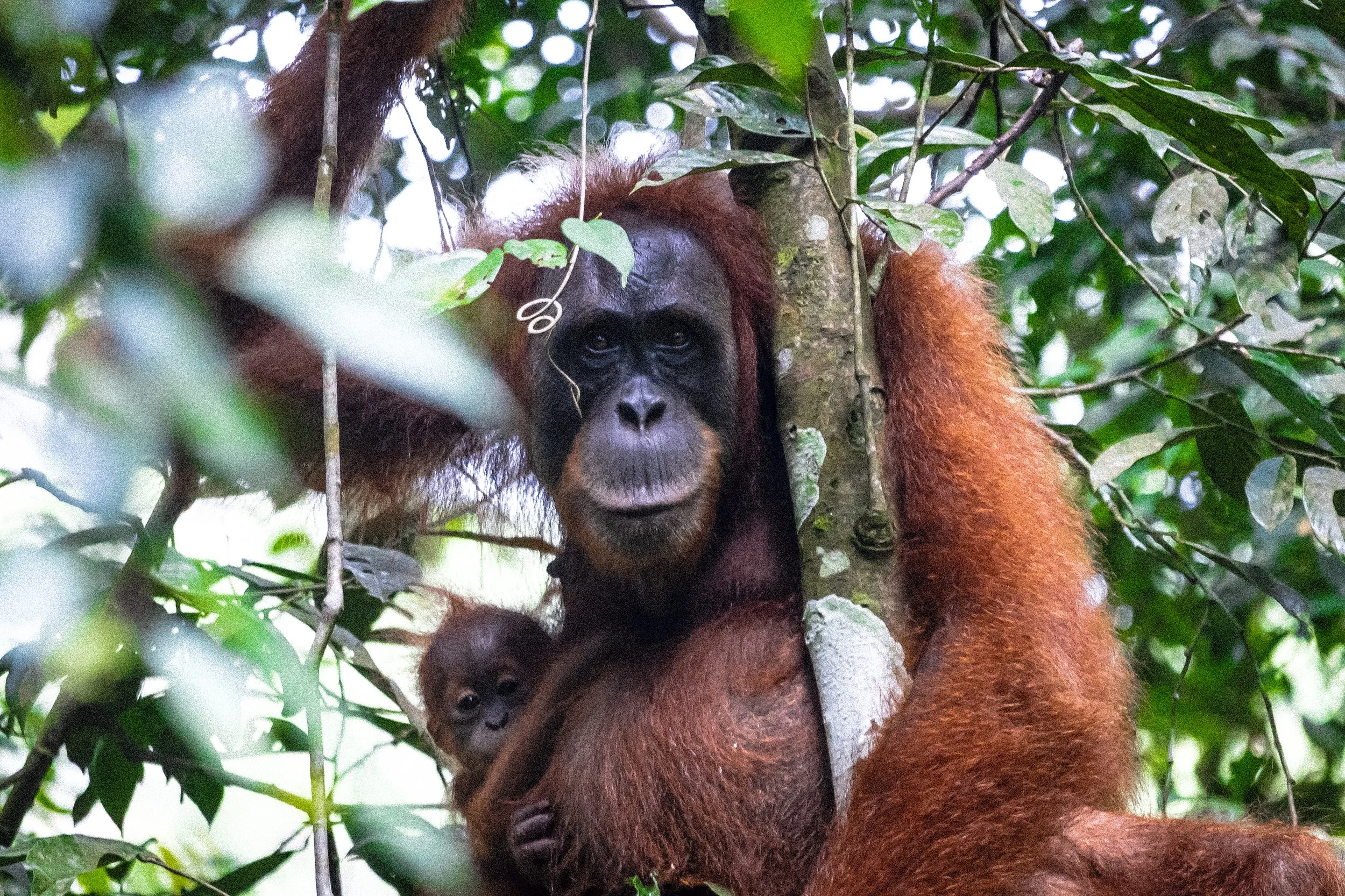
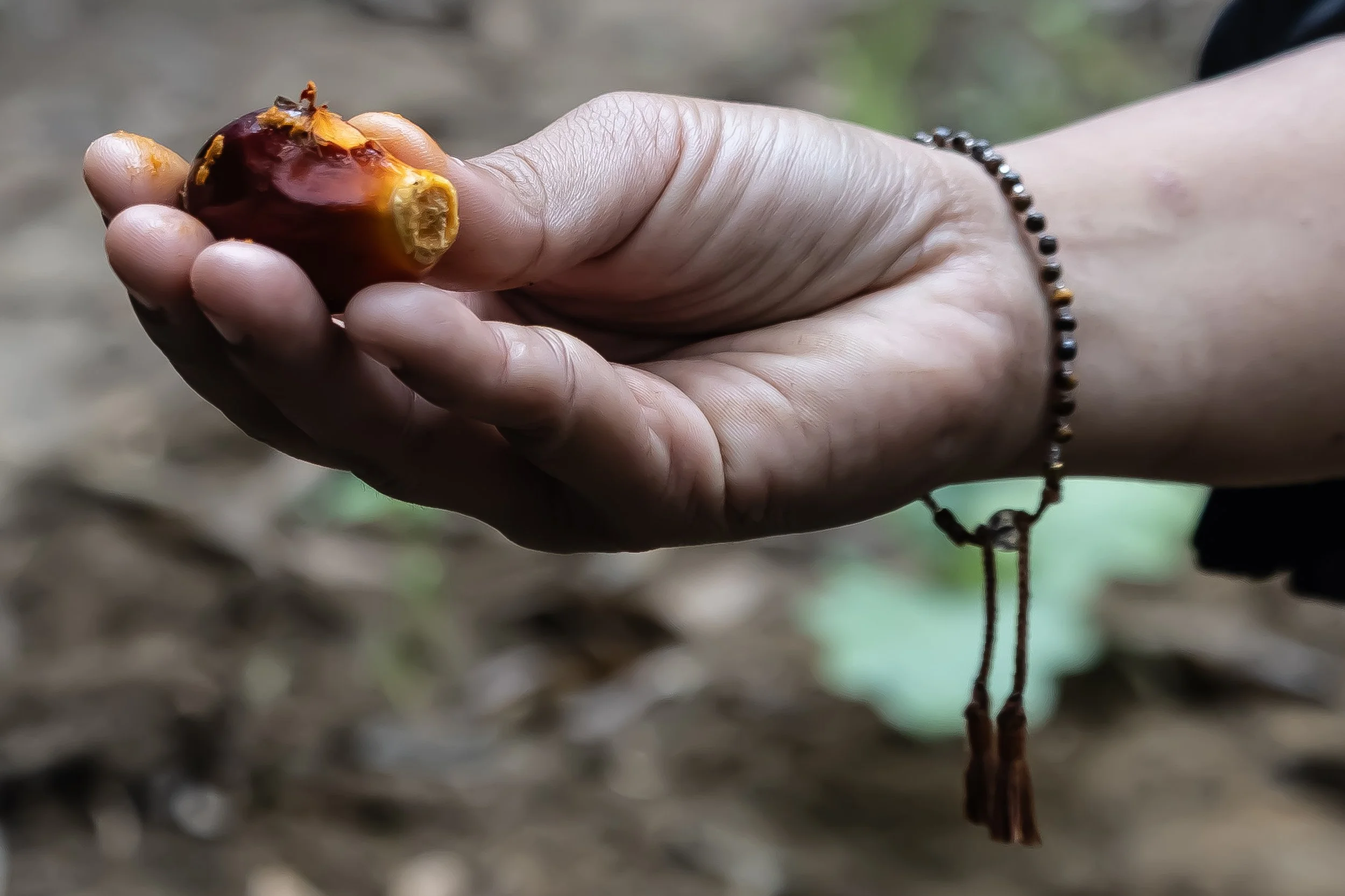
Tragically today these animals and the entire ecosystem are under threat from ongoing deforestation, poaching and other activities, legal and illegal. Destruction of the Leuser began when the Dutch colonised Indonesia in the 1900s and established the first palm oil plantations in Sumatra. Travelling for three hours from the North Sumatran capital of Medan to Timbang Lawan where Ms. Azmi’s organisation, the Nuraga Bhumi Institute is based, the road was lined for long stretches with palm oil trees and the air heavy with their smell – a bit like burnt cow dung.
Indonesia and Malaysia together produce 85% of the world’s palm oil, which is used in everything from pizza to toothpaste. Palm oil is a highly efficient crop and palm oil mills a major employer in places such as Sumatra. However, the industry is also responsible for widespread deforestation and human rights violations, which continue despite local and global attempts at regulation.
The Bataks, like Ms. Azmi, include about seven closely related ethnic groups who are indigenous to Sumatra and lived in close connection to the natural environment prior to colonization. In 2021, after 10 years working in mainstream, male-dominated organisations, Ms Azmi started Nuraga Bhumi (meaning soul’s dedication to protection of the Earth in Sanskrit) with the vision of decolonizing conservation and providing women with opportunities to reclaim their traditional roles as female protectors of the forests.
Spending two weeks with the Nuraga Bhumi team was an incredible opportunity to heed the sign of the Mawas, learn and reflect on the interconnection between humans and nature, and how actions at the local level can start to undo harmful past practices and create sustainable change.
“I had to decolonize myself first” says Nayla of her own journey as a conservationist. In 2014, prior to starting Nuraga Bhumi, Nayla started “Caring for Earth” after school classes in Timbang Lawan to teach school children about conservation and combat widespread beliefs that “only men can go to the forest, it’s too difficult for women”, or that indigenous people need a certain level of formal education before they can join conservation efforts.
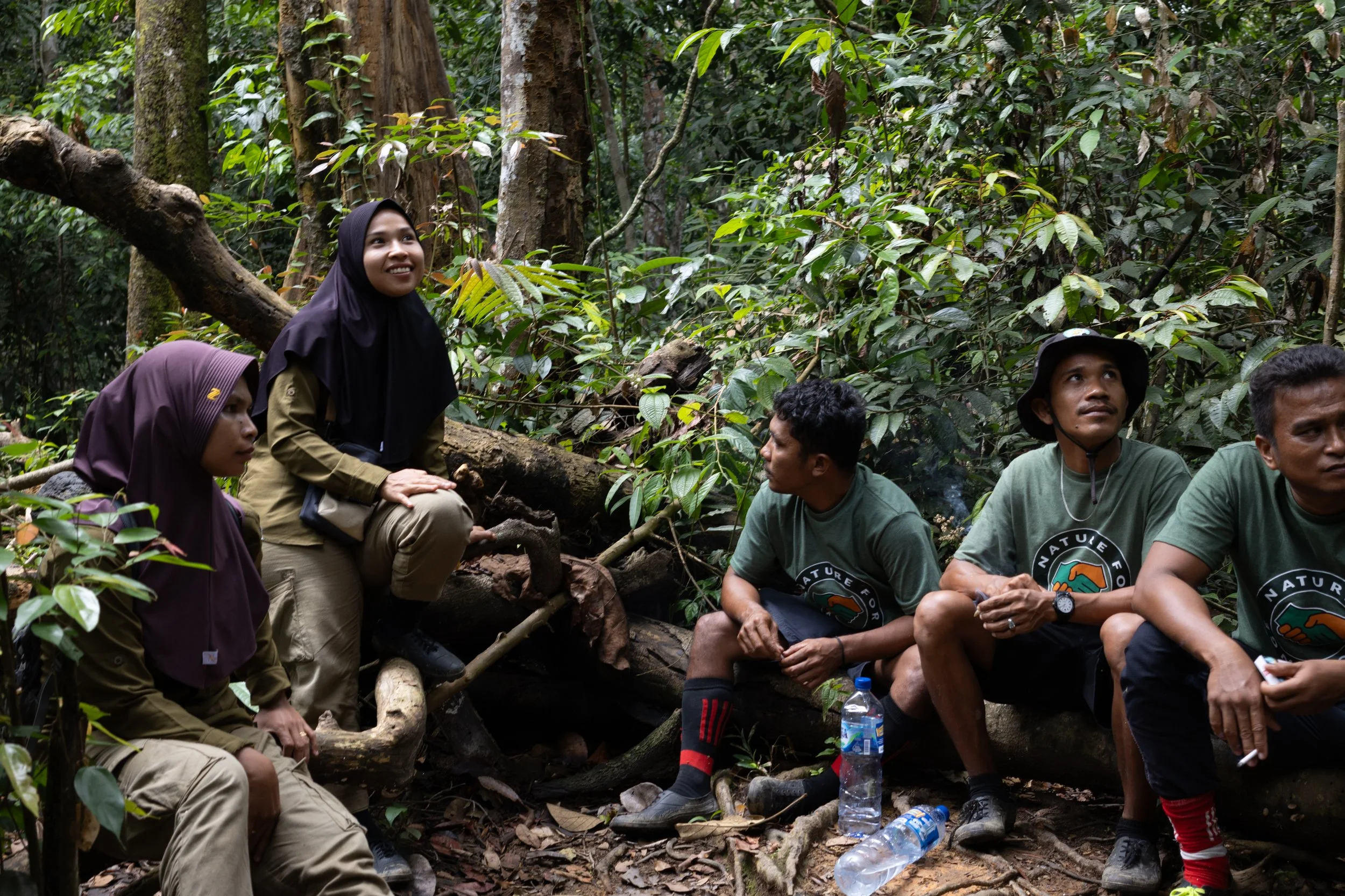
Sitting in that first after school class were two bright and enthusiastic teenage girls – Wulan Dari and Selvy Atika. They joined Nuraga Bhumi in 2021 as part of the new all-female team monitoring the buffer areas around the Leuser Ecosystem. Working with a partner organization Nature for Change and the government-employed rangers of Gunung Leuser National Park (GLNP), the team tracks and monitors wildlife, dismantles poachers’ traps and report findings to authorities.
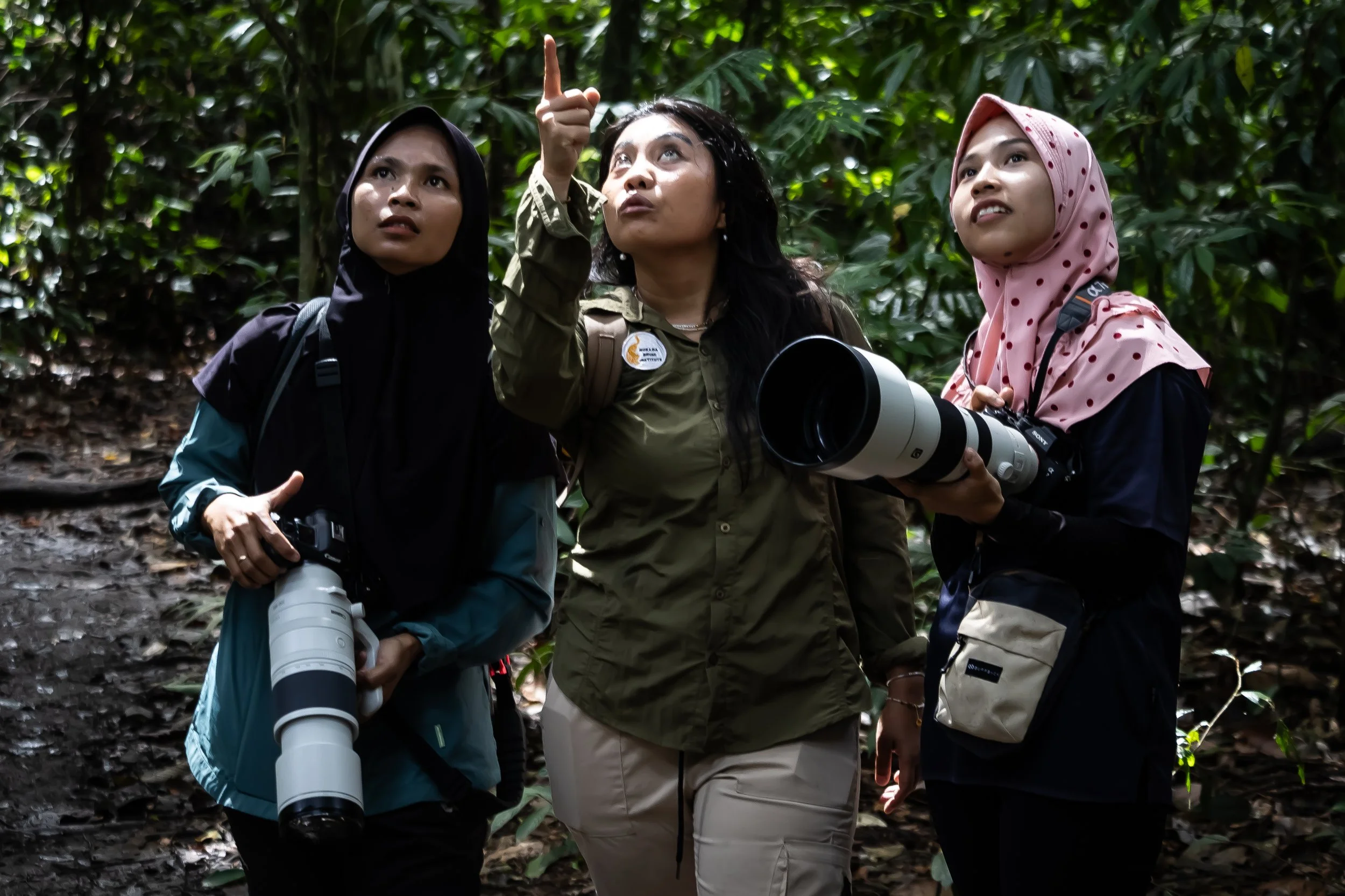
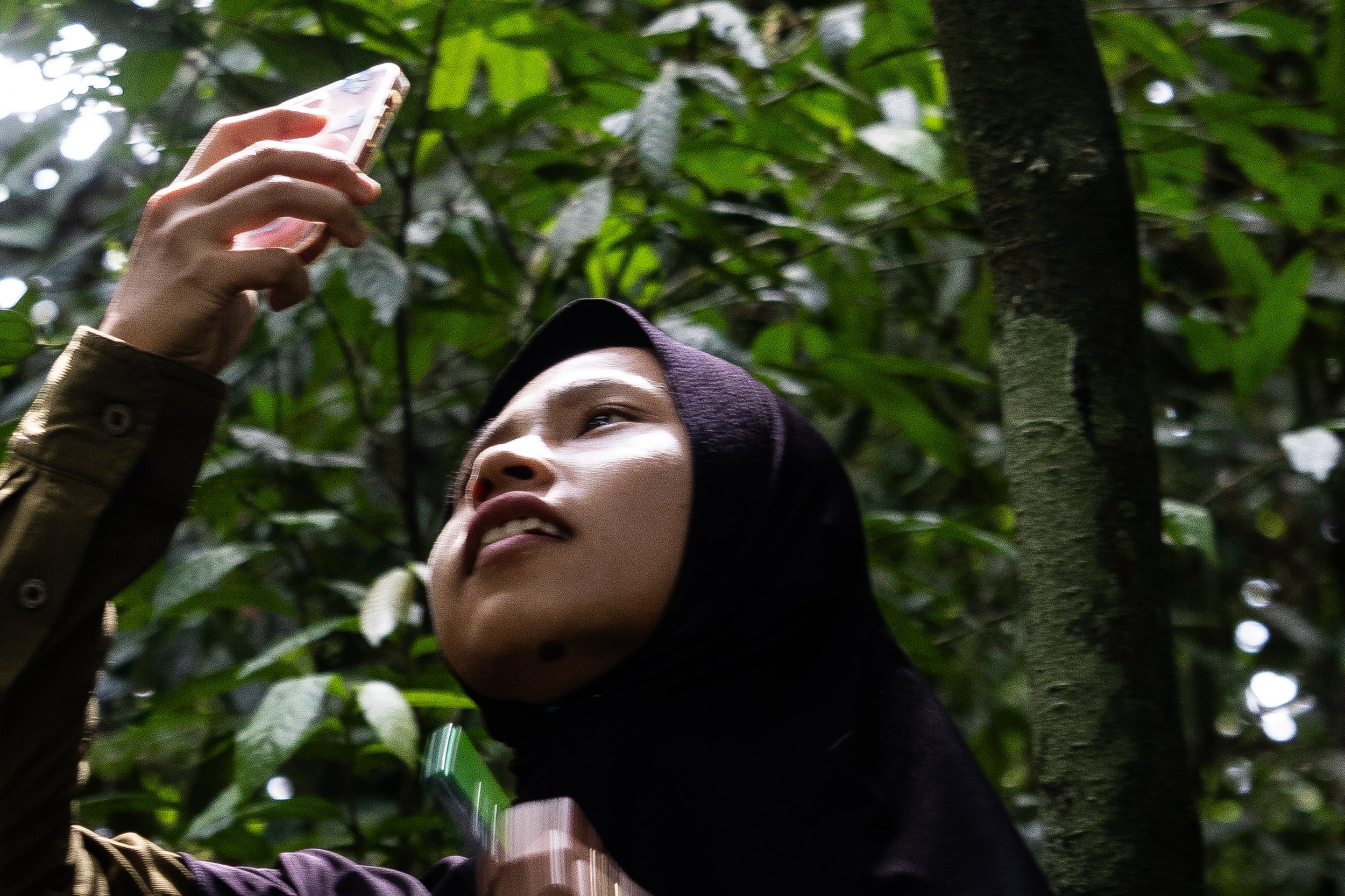
Ms. Azmi, Ms, Dari and Ms. Atika each mention noticeable changes in themselves and in the prevailing attitudes of men and their community, in just four short years since the team started. Ms. Dari and Ms. Atika were previously reluctant to express an opinion and bullied by some men who would ask “what are you doing here, women aren’t strong enough for the forest”. Yet now, with strength and perseverance, they are accepted by the men they work with, can earn additional income for their families and are inspiring other women to follow this path.
“My parents feel really proud of me doing different things …. going to the forest, managing an education centre. They couldn’t think of that as a job before” says Ms. Dari. Ms Atika adds “I can feel some of the men changing, they are not looking down on us as much. I also get requests from other women ‘I adore to see what you are doing … is it possible for me to do?’”.
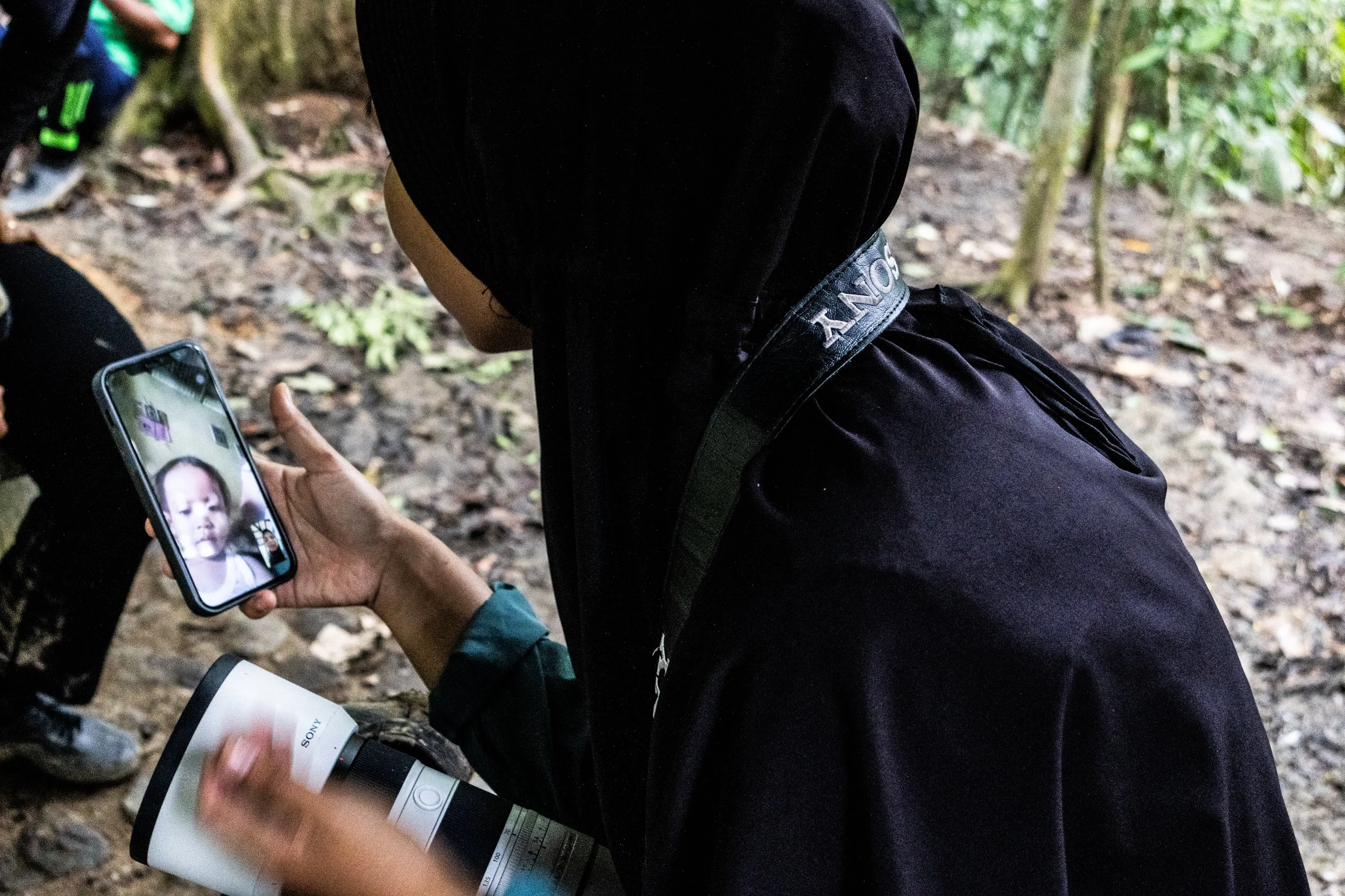
When both Ms Dari and Ms Atika fell pregnant, the organization adapted. Both were allowed to continue forest activities for as long as they felt safe, before moving to e.g., to classroom based activities. After birth, Wulan resumed forest activities carrying her baby Alifa (who was still being breast fed) with her, while Selvy waited seven months.
Ms. Azmi, Ms, Dari and Ms. Atika each mention noticeable changes in themselves and in the prevailing attitudes of men and their community, in just four short years since the team started. Ms. Dari and Ms. Atika were previously reluctant to express an opinion and bullied by some men who would ask “what are you doing here, women aren’t strong enough for the forest”. Yet now, with strength and perseverance, they are accepted by the men they work with, can earn additional income for their families and are inspiring other women to follow this path.
“My parents feel really proud of me doing different things …. going to the forest, managing an education centre. They couldn’t think of that as a job before” says Ms. Dari. Ms Atika adds “I can feel some of the men changing, they are not looking down on us as much. I also get requests from other women ‘I adore to see what you are doing … is it possible for me to do?’”.
When both Ms Dari and Ms Atika fell pregnant, the organization adapted. Both were allowed to continue forest activities for as long as they felt safe, before moving to e.g., to classroom based activities. After birth, Wulan resumed forest activities carrying her baby Alifa (who was still being breast fed) with her, while Selvy waited seven months.
Since 2021, Nuraga Bhumi has continually expanded its activities to include replanting trees, making and selling eco prints, education in human rights and sexual and reproductive rights, and providing microfinance grants to women living near the forest. The grants allow women to start businesses and grow income while remaining connected to their land and environment, creating alternatives to working in the palm oil industry. Nuraga Bhumi also collaborates with other local organisations such as Perempuan Hari Ini (Today's Women) to deliver capacity building, raise awareness and advocate for the rights of those who may be facing structural, intersectional disadvantage – as women, indigenous people, LGBTQI+ for example. In doing so, Nuraga Bhumi seeks to honour the forest which teaches the interconnection of all living things and “what it means to be human”, says Ms. Azmi.
Critically, through working with rather than apart from men, the Nuraga Bhumi team also defuses the perception that women are taking men’s jobs. This does however increase the organization’s operational costs, which is an additional challenge for fundraising. Nuraga Bhumi relies on donations but is constantly seeking other sources of funding to grow and sustain its work.
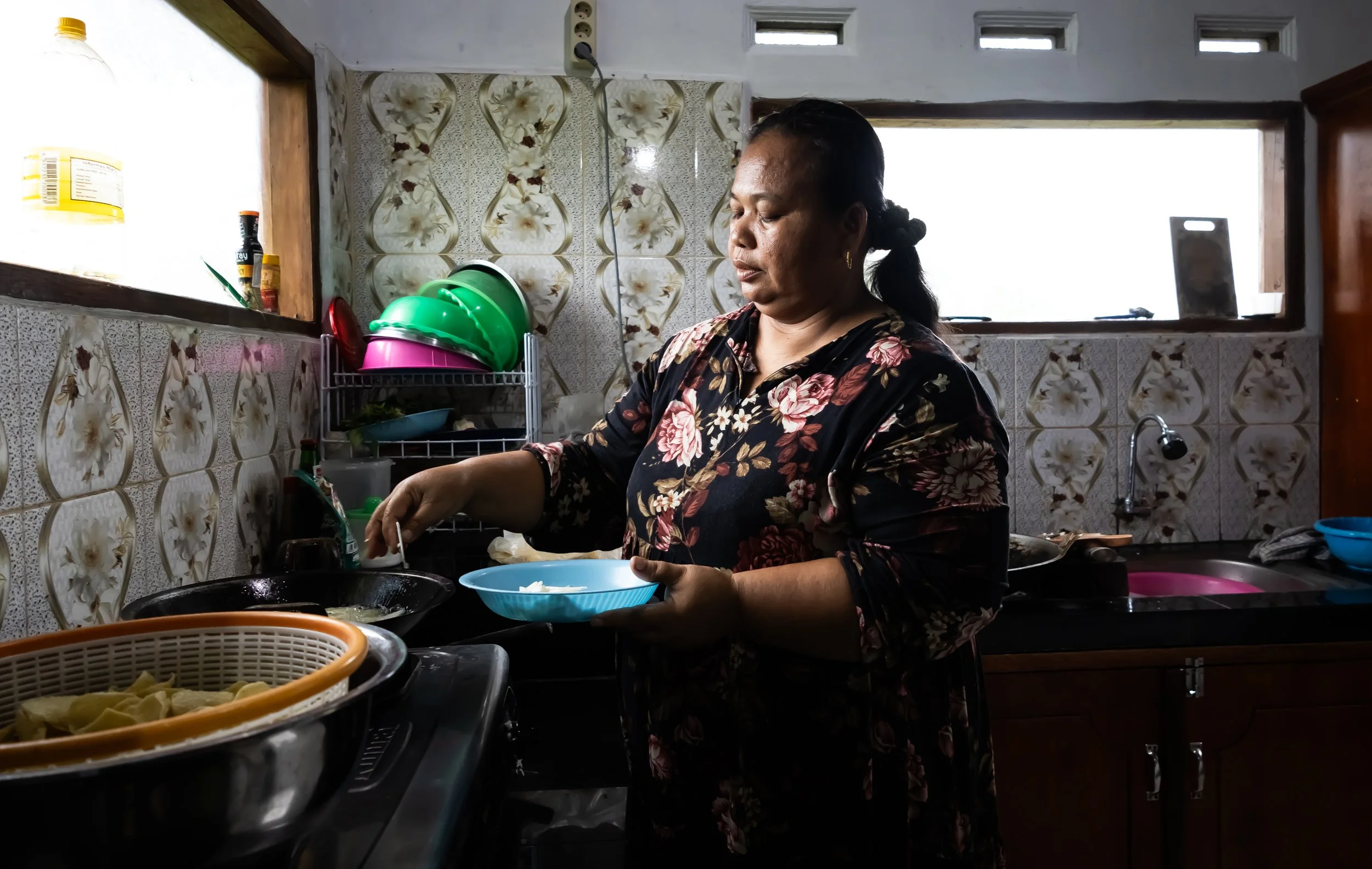
Back in Timbang Lawan and for Ms. Dari, her involvement with Nuraga Bhumi has already evolved to be intergenerational, with her mother Ijah using a microfinance loan to start a successful business making chips from tapioca, bananas and other fruit. Ms Atika and Ms Dari further say they would like their daughters to continue what they have started and grow up to “be the first (official) female guide” and “be even closer to the forest” respectively.
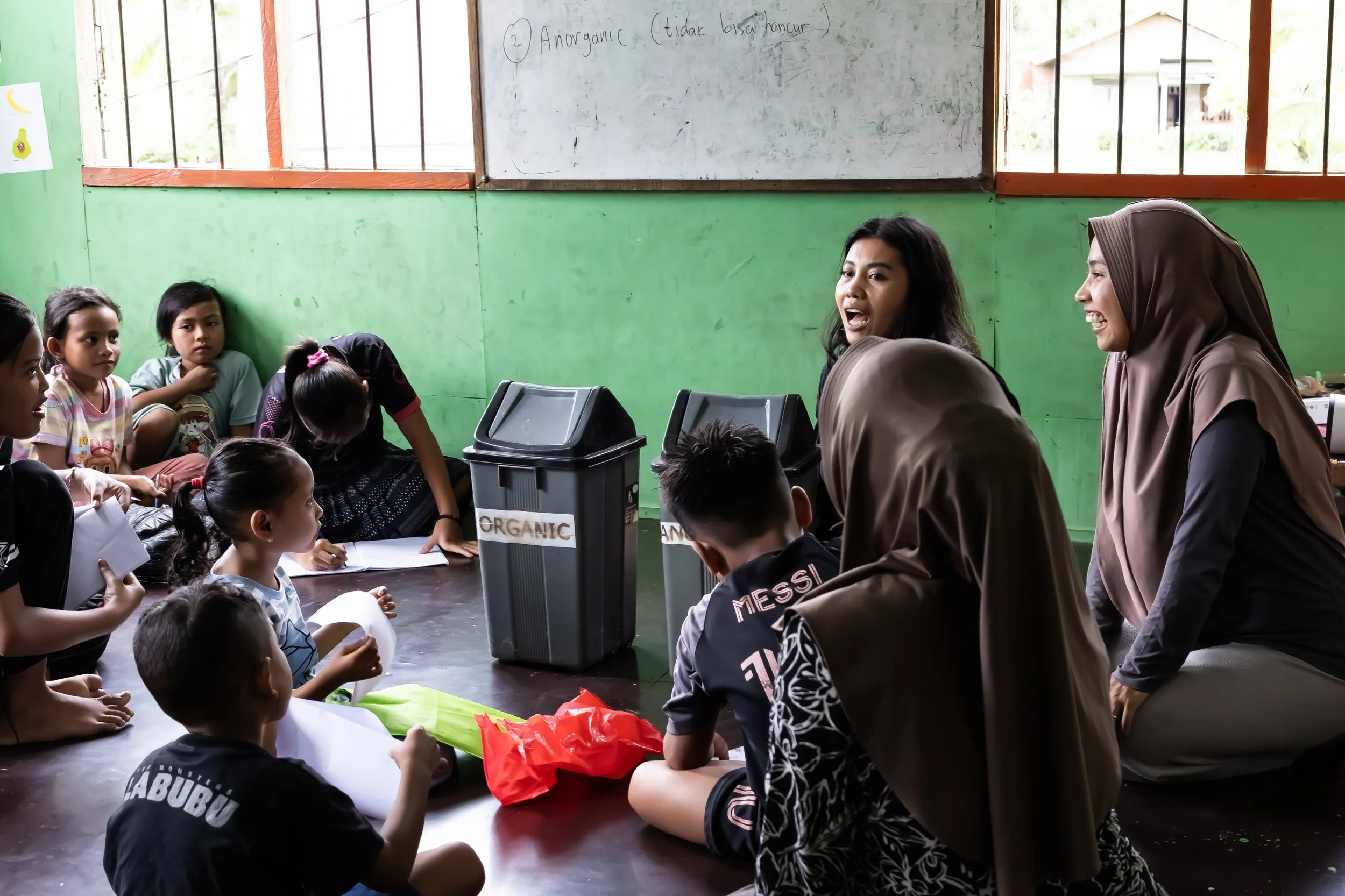
At a recent caring for earth class on a wet Monday afternoon, there was even more cause for optimism. The topic was “rubbish” with the children excitedly running outside to collect examples in the road next to the rice fields, and then back in the classroom separate them in organic and anorganic as part of an interactive group exercise.
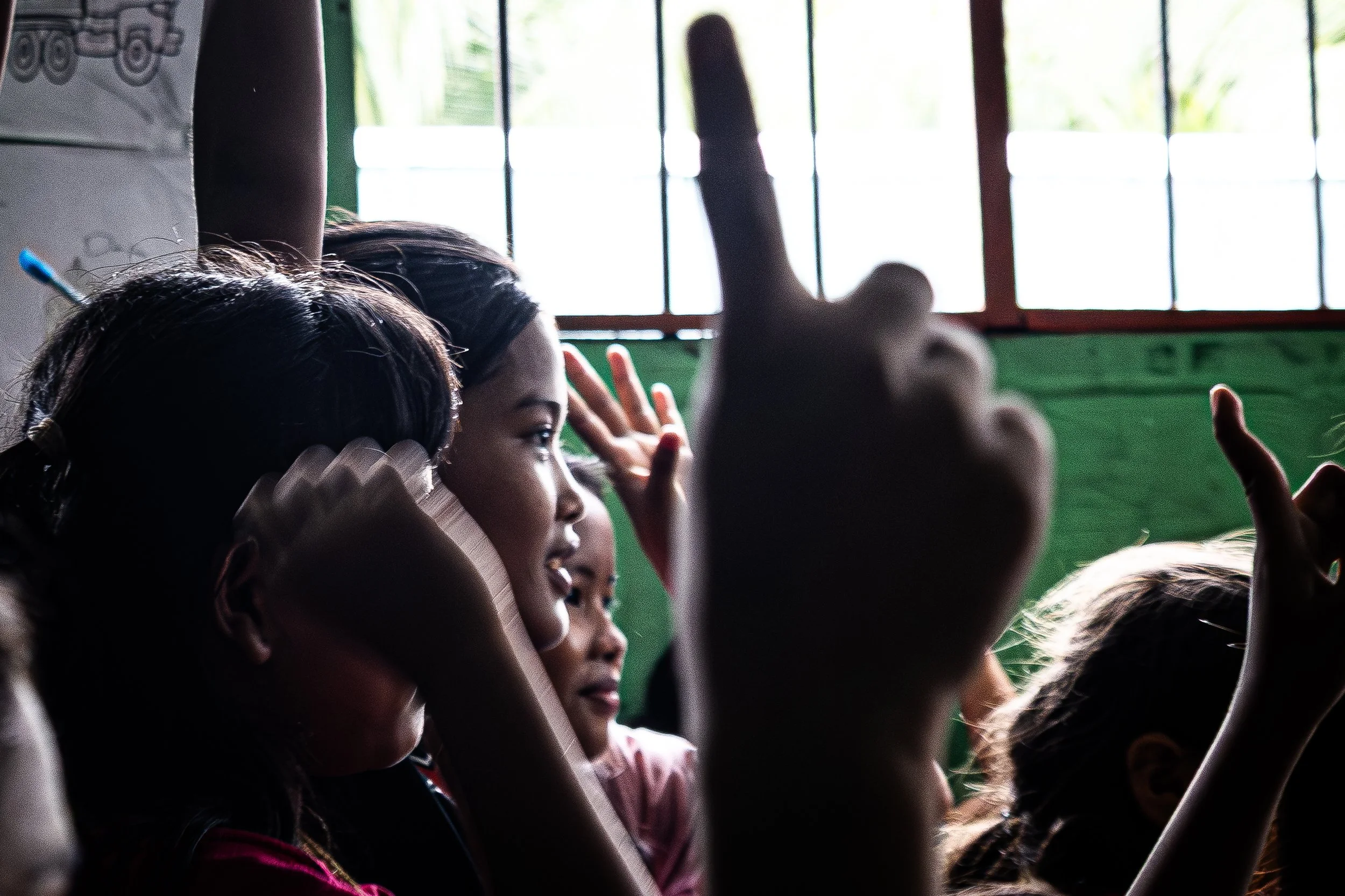
Towards the end, the class was asked what they want to be when they grow up, for example a doctor or a policeman. All of the girls put their hand up at least once.
The day after the class, heavy rains started which would continue for 3 days in Timbang Lawan. The result of Cyclone Sengar, the downpour and related flooding were exacerbated by deforestation and have caused over 900 deaths in Indonesia alone. As well as loss of homes, places of worship and livelihoods. The rare Tapanuli orangutan found in the Batung Toru area of North Sumatra is also feared extinct .
With their on the ground presence and long standing relationships, the Nuraga Bhumi team were deeply involved in mutual aid, in the face of familiar delays from the national government of Indonesia. Support for Nuraga Bhumi and other local partners can thus help meet both short and long term needs.
To learn more about the Nuraga Bhumi Institute and how you and / or your organisation can partner to continue and sustain impact, visit https://www.nuragabhumi.org/